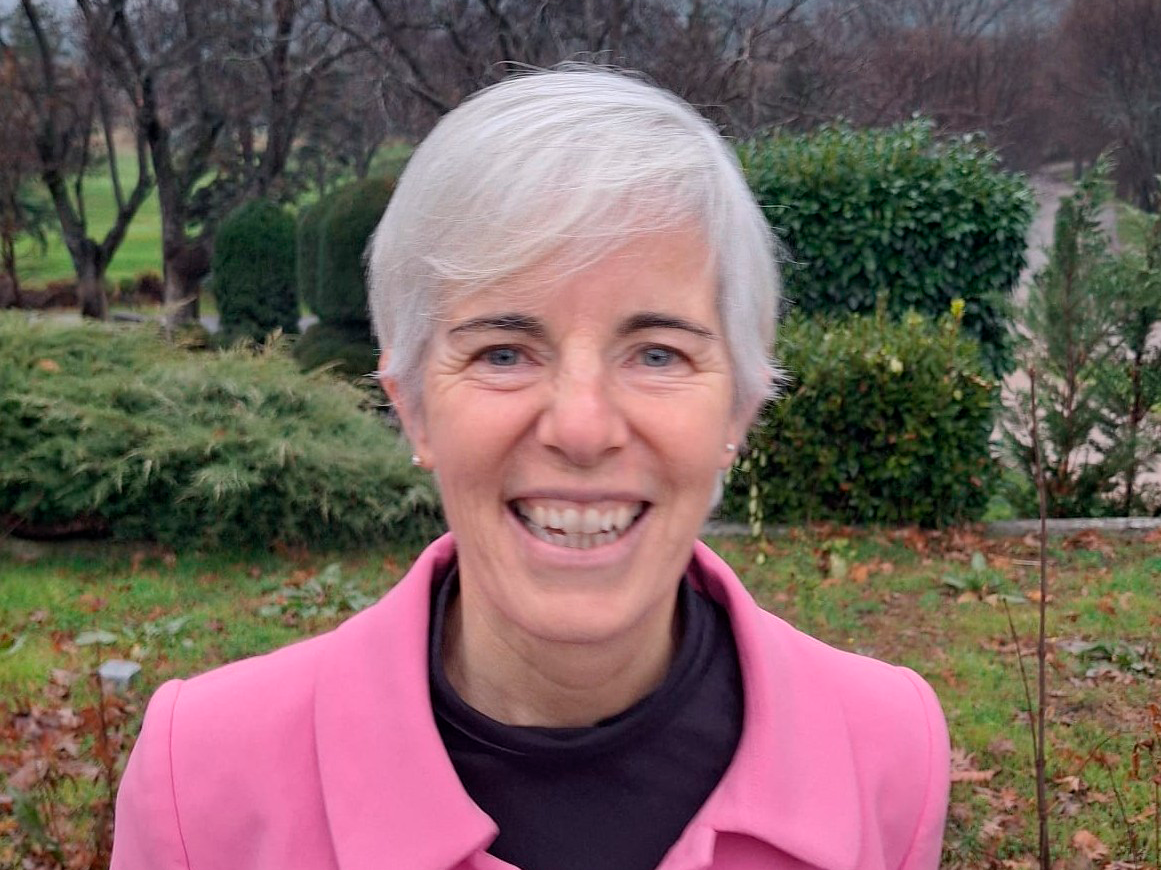
Silvia Arias Careaga
Autonoma University of Madrid (UAM). Head of the Office for Solidarity Action and Cooperation

Inicio
Fin
This course enables a better understanding of the role of universities and higher education institutions as institutions committed to improving and shaping the world into a better world. Through theory, lectures, quizzes and case studies, this course aims to inspire members of the university community to implement ideas, actions and programs to develop university social engagement and make a positive impact on society and environment.
With this course, university members will acquire in-depth knowledge of the concept of civic engagement and its relevance for social, political and economic developments. By learning tools and specific didactic methods, they will strengthen their ability to integrate civic engagement activities in their teaching activities or in the design of study programs. The course supports university staff in making the relevance of their own work transparent and usable for society. By showing them ways in which they themselves can take on social responsibility in the field of education and research.
Learning outcomes:
CIVIS Alliance University members. Specially, focused to lecturers, researchers, master’s students, doctoral candidates, university managers and administrative staff.
Language: B2 in English is needed.
Autonoma University of Madrid (UAM). Head of the Office for Solidarity Action and Cooperation

Sapienza University of Rome (SUR). Head of the Public Goods Production (culture and public engagement) Unit at the Third Mission Office of the Third and Fourth Mission Area.

Aix Marseille University (AMU). Project Manager, Student and Campus Life Department. Member of the Student Engagement Expert Group.

Coordinator of the CIVIS Open Labs at AMU

Head of the Transdisciplinary and Civic Engagement Programme, Division of Academic Affairs at NKUA

Professor at NKUA, Director of the Research Laboratory for Qualitative Research in Psychology and Psychosocial Well-being

Associate Professor at SUR (History, Anthropology, Religions, Media and Performing Arts)

Project Manager at the Global Citizenship Office at ULB
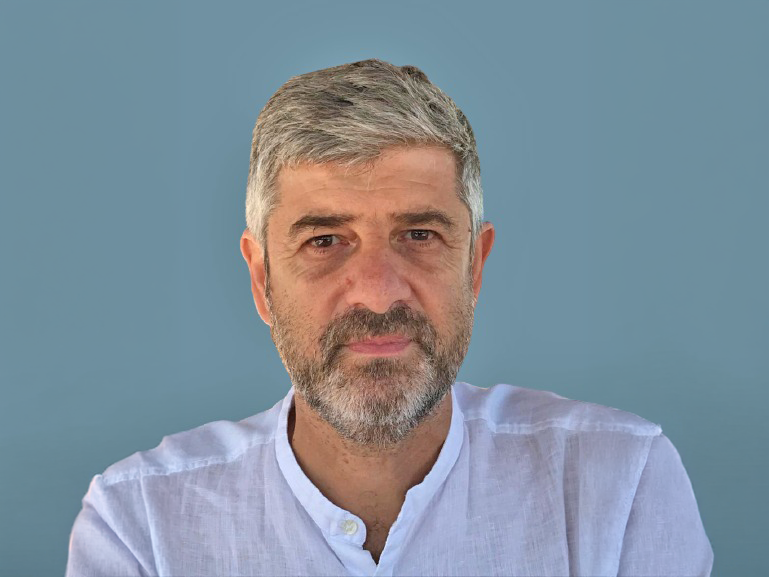
Head of the Department of Public Administration at UB

Research Advisor at the Rectorate of UNIL

Head of the Citizenship and Community Engagement Programme at WITS

Eberhard Karls Universität Tübingen (UT). Member of the Civic Engagement expert group from the CIVIS Alliance.

Aix Marseille University (AMU). Head of the Student Engagement Programme Unit, Student and Campus Life Department.
Application deadline is September 20, 2026
The course is self-paced and runs for two and a half months: from November 2026 to January 2027
This course is designed to provide you with the tools you need to feel confident and assured when incorporating aspects of civic engagement or social responsibility into your daily work at the university. To assess your level of learning, the course offers three assessment tools that you must complete:
The aim of the micro-credential is to be able to offer tools, competencies and skills that will enable participants to respond to the problems facing societies today. In this way, participants at the end of the course will acquire skills such as:
Participants also will learn how:
Programme structure:
Module 0. Starting
Module 1. Service-Learning
Module 2. Volunteering
Module 3. Applied and Engaged Research
Module 4. Cultural Heritage
Module 5. Gender Perspective
Module 6. Diversity and Inclusion
Module 7. Open Labs
Module 8. Integrating Refugees and Migrants
Module 9. The Wits University (South Africa) Perspective on Civic Engagement
Module 10. Inspiring Ideas
The course fee is 0 euros for CIVIS Alliance members.